Why This Guide Exists
Thailand is home to hundreds of elephant camps, and in the last decade almost all of them have started calling themselves a "sanctuary." The word sells tickets, but it doesn't always describe reality. This guide is meant to help you tell the difference — so the elephants you visit are the ones actually benefiting from your trip.
What an Ethical Sanctuary Actually Looks Like
A genuine sanctuary is built around the elephants, not the visitor schedule. That means no riding, no hooks, no chains, and no elephants made to perform tricks for a camera. It means elephants who came from logging camps, street begging, or tourist riding operations, now living out the rest of their lives with room to roam, forage, and rest as they choose.
What a Typical Visit Involves
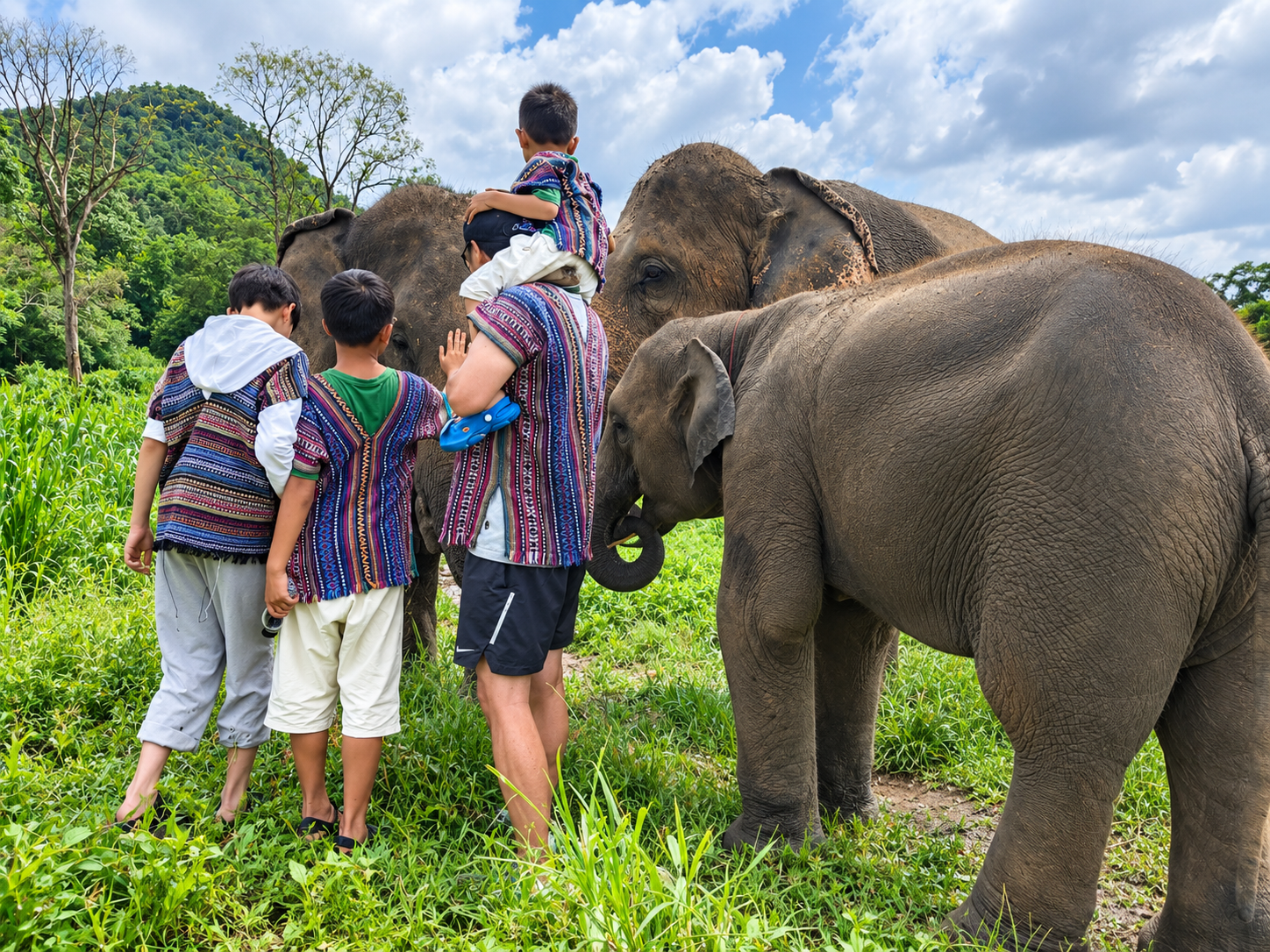
Most ethical programs run for a half day or full day. You'll usually prepare food for the herd, walk with the elephants through the forest, and join them at a river or mud pit for a natural bath — never scrubbing or bathing them on command, but sharing the space while they do what they'd do anyway. Meals, hotel transfers, and a guide who can answer real questions about the sanctuary's practices should all be part of the package.
Questions Worth Asking Before You Book
- How did each elephant arrive at the sanctuary, and who verifies that story?
- Is riding, a hook (ankus), or chaining used at any point — including behind the scenes?
- How large is the group I'll be joining?
- Where do the elephants go when there are no visitors?
- How does my booking support the local mahouts and community?
Choosing With Confidence
Price and photos are the easiest things to compare, but they say very little about how elephants are actually treated day to day. Take the extra few minutes to ask questions, read recent visitor accounts, and look for sanctuaries that are transparent about their history. The right visit should feel calm, unhurried, and led by the elephants — not the other way around.
